
IDmetrix® Device Management Platform (DMP)
One command centre for every enrolment station, kiosk, verification terminal and gate in the programme — wherever in the country they are deployed.
In a national identity programme every device is a critical asset. They are geographically dispersed, they run different operating systems, and each one is a place where data can be compromised or a service can quietly stop. The Device Management Platform puts the whole fleet under one authority: a web command centre inside the government’s own data centre, a hardened agent on every device, and a mutually authenticated channel between them.
99.9%
Availability target
TLS 1.3+
Mutual authentication
3 OS families
Windows, Android, Linux
On-premise
Or private sovereign cloud
What the platform does
Real-time operations map
Every device on a national map with a colour-coded status — active, maintaining, locked — drilled down from the country to the region, the city and the individual unit.
Executive KPIs and metrics
System-wide uptime and device health scores, enrolment throughput and success rates, and the security and compliance posture of the fleet.
Role-based operational views
A country-wide strategic overview for national administrators, jurisdiction performance for regional directors, and device-level technical detail for IT support — with menu-level permissions behind each role.
Unified alert management
One consolidated view of every critical incident, with priority-based routing and escalation, and integration into email, SMS and SIEM systems.
Device and component registry
Each unit is tracked from loaded to active, maintaining, locked and retired — down to its main board, face and fingerprint modules and card reader, with installation, removal, maintenance and warranty history against every part.
Intelligent geofencing
A device that leaves its authorized zone locks itself, and the violation is reported in real time with its location.
Port and tamper protection
USB ports are blocked, made read-only or whitelisted; Bluetooth and wireless interfaces are managed; hardware tamper switches and control-box door sensors are monitored and every unauthorized access attempt is logged.
Secure over-the-air updates
Digitally signed firmware and software, delivered encrypted to certificate-authenticated devices, rolled out in stages with automatic rollback, delta transfers and scheduled maintenance windows.
Integration with national systems
A RESTful integration fabric carries device and operational data to the ABIS, the civil registry, SSO, SIEM and ITSM systems already in place.
Four layers, one chain of trust
The platform is sovereign by design: it runs in the state’s own data centre, and nothing between the command centre and a device is unauthenticated.
- 1Web Command CenterGovernance, inventory, tasks, logs
- 2Secure GatewayMutual TLS 1.3+
- 3Secure Device AgentOn every managed unit
- 4Managed fleetStations, kiosks, terminals, gates

The central nervous system of the identity ecosystem
Enrolment devices, self-service kiosks, travel document identification terminals and automated border control gates all report into the same command centre, and the data centre behind it is the state’s own — on-premise or private cloud.
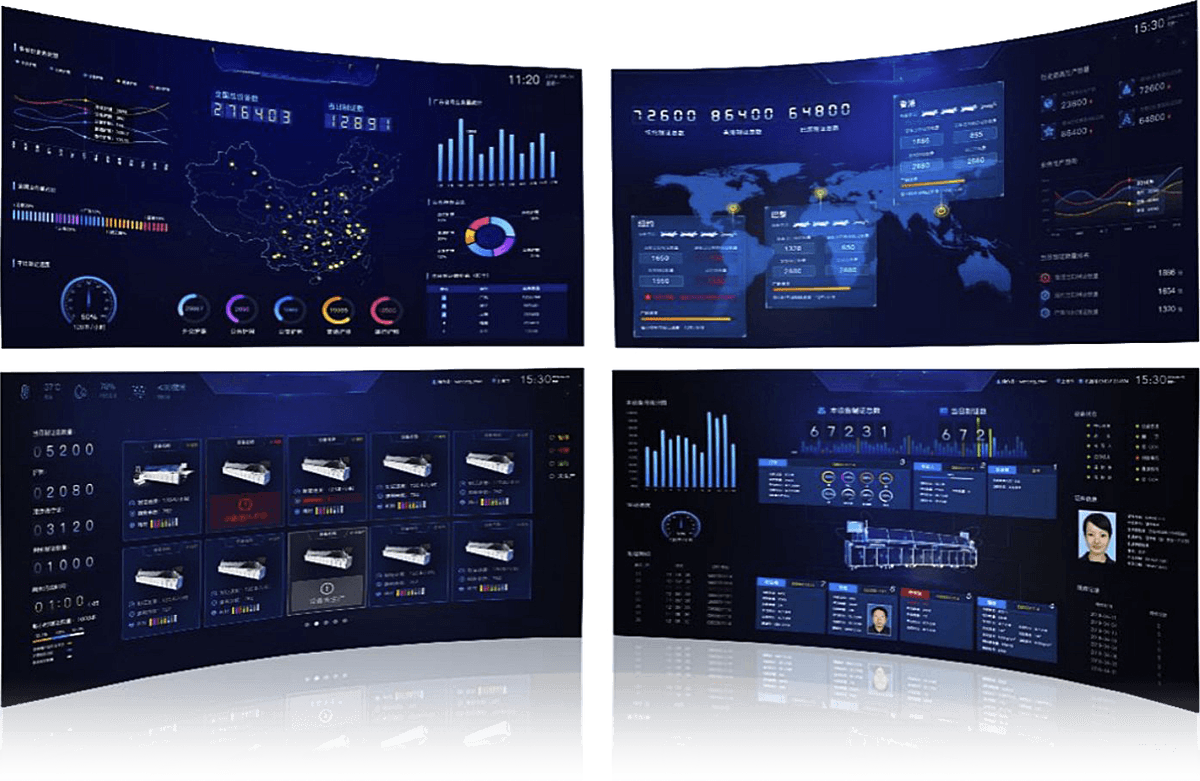
From data to decisive action
Production and personalization throughput, document stock and dispensing, device ranking and equipment groups — each role sees the operational picture it is accountable for, on a wall display or at a desk.
Primary and backup, inside your own perimeter
A microservices architecture runs as a primary node — management system, task, API, document and database services — shadowed by a backup node on a real-time replicated database, for a 99.9% availability target. Administrators reach it through the command centre in the browser; devices reach it through the secure gateway, and answer with their status, their tasks and their errors.
Sovereign data centre
On-premise or private cloud- Management systemCommand centre back end
- Task serviceJobs, updates, commands
- API serviceRESTful integration fabric
- Document storeDistributed file service
- DatabaseDevices, components, logs
- System managementTakes over on failover
- Task serviceStandby worker
- Document storeMirrored file service
- DatabaseReal-time replica
Managed device fleet
Secure agent on every unit- Enrolment stationsPlatform agent
- Self-service kiosksPlatform agent
- Verification terminalsPlatform agent
- Border control gatesPlatform agent
Platform specification
Platform
- Deployment
- On-premise or private cloud, for full data sovereignty
- Architecture
- Microservices-based, for scalability and resilience
- High availability
- Primary–backup servers with real-time database replication
- 99.9% uptime target
- Security model
- Zero-trust, mutual TLS 1.3+ authentication between agent and gateway
- Administration
- Role-based access control with menu-level permissions
- Full system and operator log monitoring
- Integration
- RESTful APIs to ABIS, civil registry, SSO, SIEM and ITSM systems
Managed operating systems
- Windows
- Active Directory group policy integration
- Compliance with Intune security frameworks
- Automated security baseline enforcement
- Centralized credential and access management
- BitLocker encryption enforcement
- Android
- Device Owner (DO) mode
- Single-purpose kiosk lockdown
- Controlled application whitelisting
- System-level permission enforcement
- Factory reset protection
- Linux
- Read-only root filesystem for critical devices
- Secure boot
- Minimal attack surface configuration
- Custom security module integration
Over-the-air updates
- Delivery
- Digitally signed firmware and software packages
- End-to-end encryption of every update transmission
- Certificate-based device authentication
- Rollout
- Staged, progressive deployment
- Automatic rollback on failure detection
- Bandwidth-optimized delta updates
- Maintenance window scheduling
- Assurance
- Pre-update device health checks
- Update compliance verification
- Success and failure reporting and analytics
- Emergency update path
- Field conditions
- Resilient to intermittent connectivity
- Interrupted downloads resume
- Battery-aware update timing
- Regional update staging
Interested in this system?
Tell us about your issuance program and we will advise on the right configuration.
Get in Touch