
Fare Payment Processing
What happens inside the gate, in the moment a ticket is presented.
A fare gate is only as good as the units behind its panels. Three of them do the work: the AFC reader, which reads whatever credential the passenger presents; the ticket transmission module, which physically receives, reads and routes a single-journey ticket; and the all-in-one reader, which folds the industrial control computer into the reader itself. Together they decide whether a peak-hour crowd clears or queues.
The three units
One reads the credential, one handles the paper ticket, and one removes a whole layer of hardware from the gate.
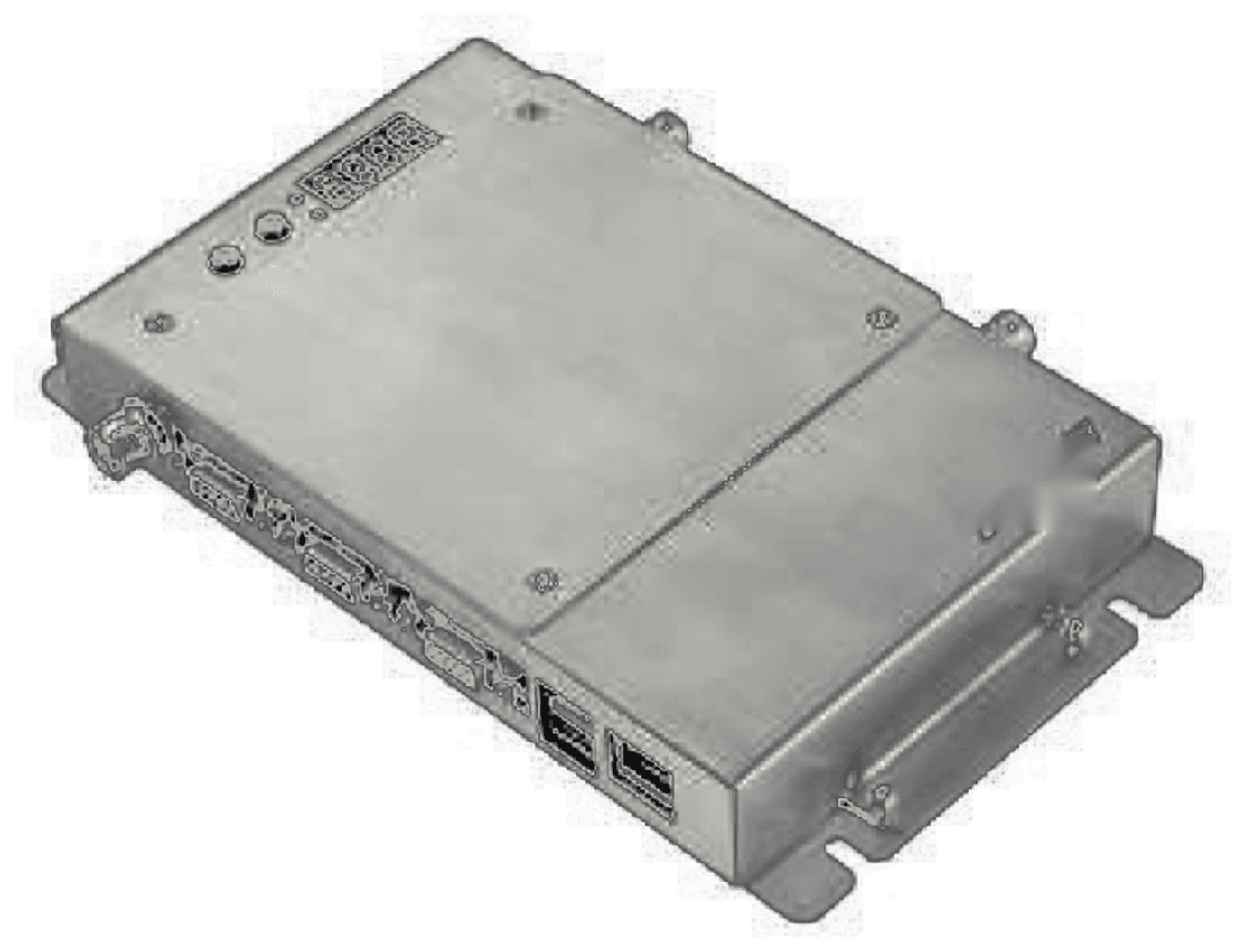
Automatic Fare Collection (AFC) Reader
Fast transaction and high accuracy in card reading, with a wide and effective reading range and no blind spots — a reading distance of 10 cm or more and a transition time of 300 ms or less. RS232, USB and Ethernet interfaces; transit cards, financial cards, NFC, digital currency and QR codes; and ID card reading, applied for example to enable free rides for the elderly.
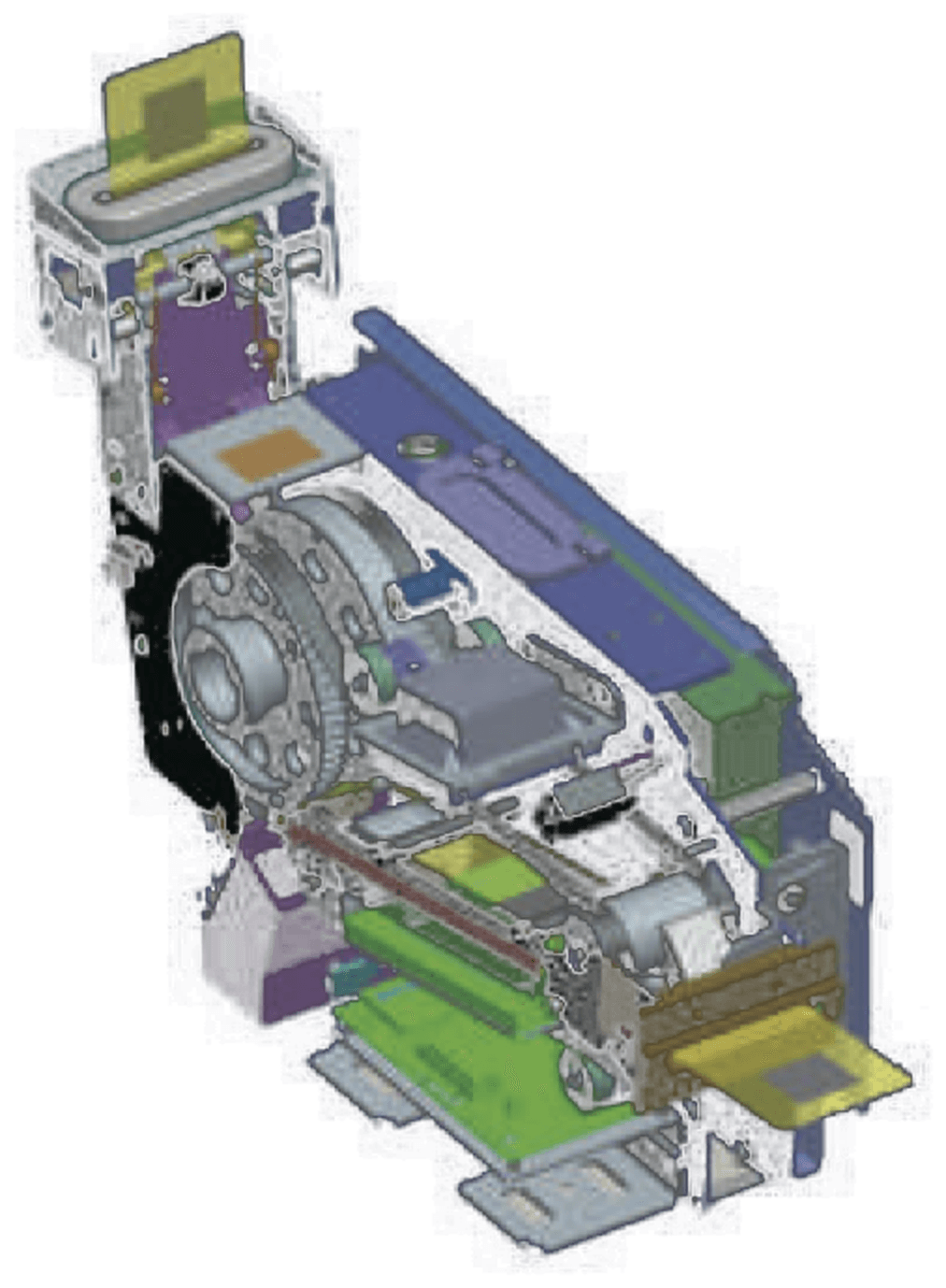
Ticket Transmission Module
Receives a single-journey ticket, reads the information on it and conveys it to a designated location — ejected through the ticket outlet when recognised, returned to the inlet when not. A waterproof disk and one-way valve plate keep water out; an intelligent valve plate prevents reverse insertion; tickets and cards are recognised by contactless read or OCR scanning.
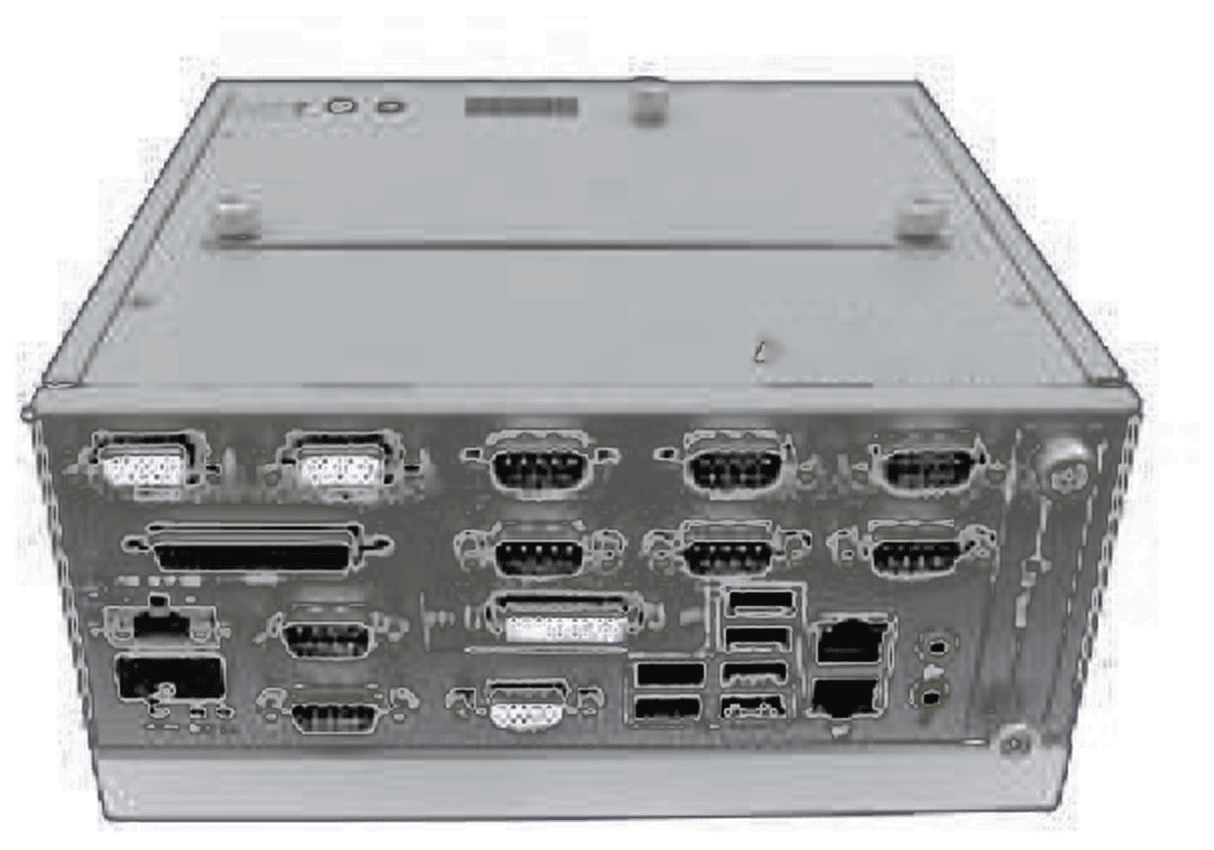
All-in-One Reader
Integrates an industrial control computer with the reader, replacing the traditional setup of a separate computer and a separate ticket reader. Compact enough to reduce installation space inside the gate; no communication lag, so transactions are processed and recognised quickly; large AFC files such as blacklists and fare schedules download instantly; and a unified development environment shortens the cycle for changing ticket operations.
What the gate does with a ticket
Wide and effective reading range
A reading distance of 10 cm or more, with no blind spots, so a card is read where the passenger naturally presents it.
Fast payment
Transition time of 300 ms or less — the difference between a queue that moves and one that does not.
Multiple payment methods
Transit cards, financial cards, NFC, digital currency and QR codes are all accepted by the same reader.
Advanced identity verification
ID card reading is supported, applied for example to enable free rides for the elderly against the identity rather than a separate pass.
Single-journey tickets handled
The paper ticket is received, read and routed — out through the outlet when recognised, back to the inlet when not — in a mechanism built waterproof and proof against reverse insertion.
Reader and controller in one
Folding the industrial control computer into the reader removes a box from every gate, removes the communication hop between them, and shortens how long a change to ticket operations takes to build.
Interested in this system?
Tell us about your issuance program and we will advise on the right configuration.
Get in Touch